Understanding the Complex Relationship Between Hormones and Bone Integration
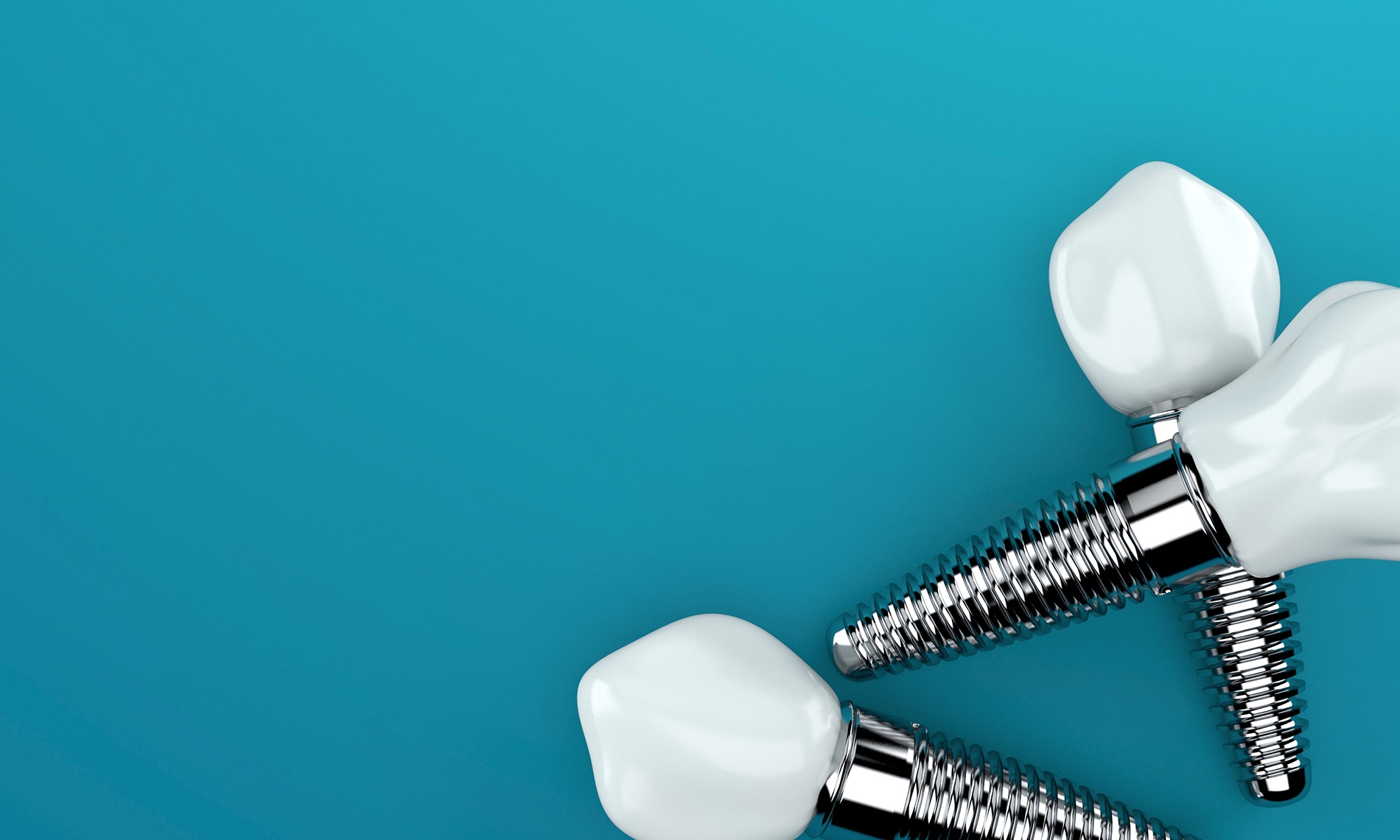
The success of dental implant procedures relies heavily on a biological process called osseointegration, where titanium implants fuse with the jawbone to create a stable foundation for replacement teeth. Whilst surgical technique and implant design play crucial roles, an often overlooked factor significantly influences this process: the body’s hormonal environment. Throughout various life stages, hormonal fluctuations can either enhance or impede the bone healing process, making it essential for dental professionals and patients alike to understand these intricate connections.
Osseointegration represents a remarkable feat of biological engineering, requiring the coordinated activity of numerous cell types, growth factors, and signalling molecules. Hormones act as master regulators in this process, orchestrating bone formation, remodelling, and maintenance. When individuals seek dental implants Leicester clinics offer, their hormonal status at that particular moment can substantially affect treatment outcomes and healing timelines.
Puberty and Growth Hormone’s Role in Bone Development
During adolescence, the body experiences dramatic hormonal shifts that profoundly affect skeletal development. Growth hormone and insulin-like growth factor-1 work in tandem to stimulate bone growth and mineralisation. These hormones enhance osteoblast activity—the cells responsible for building new bone tissue—which theoretically could benefit implant integration. However, dental professionals typically recommend waiting until skeletal maturity before placing implants, as ongoing jaw growth could compromise implant positioning and long-term stability.
Research has shown that growth hormone applications may reduce osseointegration time, suggesting potential therapeutic applications for optimising implant success. The anabolic effects of these hormones during youth create an environment conducive to rapid bone formation, though timing remains paramount for optimal results.
Reproductive Hormones and Their Impact on Bone Metabolism
Oestrogen’s Protective Effects
Oestrogen plays a pivotal role in maintaining bone density throughout reproductive years, particularly in women. This hormone inhibits bone resorption by suppressing osteoclast activity—cells that break down bone tissue. During periods of hormonal stability, the balance between bone formation and resorption favours successful osseointegration, creating ideal conditions for dental implant placement.
Pregnancy and Postpartum Considerations
Pregnancy introduces unique hormonal circumstances that affect bone metabolism and calcium homeostasis. Elevated progesterone and oestrogen levels, combined with increased demands for calcium, can temporarily alter bone density. Whilst the body typically compensates through enhanced calcium absorption, dental professionals often advise postponing elective implant procedures until after pregnancy and breastfeeding. This precautionary approach ensures optimal healing conditions and avoids potential complications during a period of significant physiological adaptation.
Menopause and the Challenge of Declining Oestrogen
The menopausal transition represents one of the most significant hormonal shifts affecting bone health and implant success. As oestrogen levels decline, bone resorption accelerates, often outpacing new bone formation. This imbalance can lead to reduced bone density in the jaw, potentially compromising the foundation needed for successful implant integration. Studies have demonstrated that postmenopausal women may experience altered osseointegration patterns compared to their premenopausal counterparts.
However, modern approaches to managing menopausal bone loss, including hormone replacement therapy and bone-strengthening medications, can help create more favourable conditions for dental implants Leicester patients may require. Careful assessment of bone quality through advanced imaging techniques allows clinicians to develop personalised treatment plans that account for hormonal status.
Thyroid Hormones and Metabolic Influences
Thyroid hormones regulate metabolic processes throughout the body, including bone turnover. Both hyperthyroidism and hypothyroidism can negatively impact osseointegration. Excessive thyroid hormone accelerates bone resorption, whilst insufficient levels slow bone formation. Research indicates that thyroid dysfunction affects the molecular mechanisms of bone healing, highlighting the importance of achieving hormonal balance before implant placement.
Patients with well-managed thyroid conditions generally achieve successful implant outcomes, demonstrating that hormonal optimisation can mitigate potential complications. Regular monitoring and appropriate medical management create the stable internal environment necessary for predictable osseointegration.
Optimising Outcomes Through Hormonal Awareness
Understanding the profound influence of hormonal changes on dental implant success empowers both patients and practitioners to make informed decisions about treatment timing and strategies. By recognising how different life stages and hormonal states affect bone biology, clinicians can tailor approaches to maximise osseointegration potential. Comprehensive medical histories, appropriate timing of procedures, and collaboration with endocrinologists when necessary all contribute to achieving the stable, long-lasting results that modern implant dentistry promises.